The Maverick (IORA)
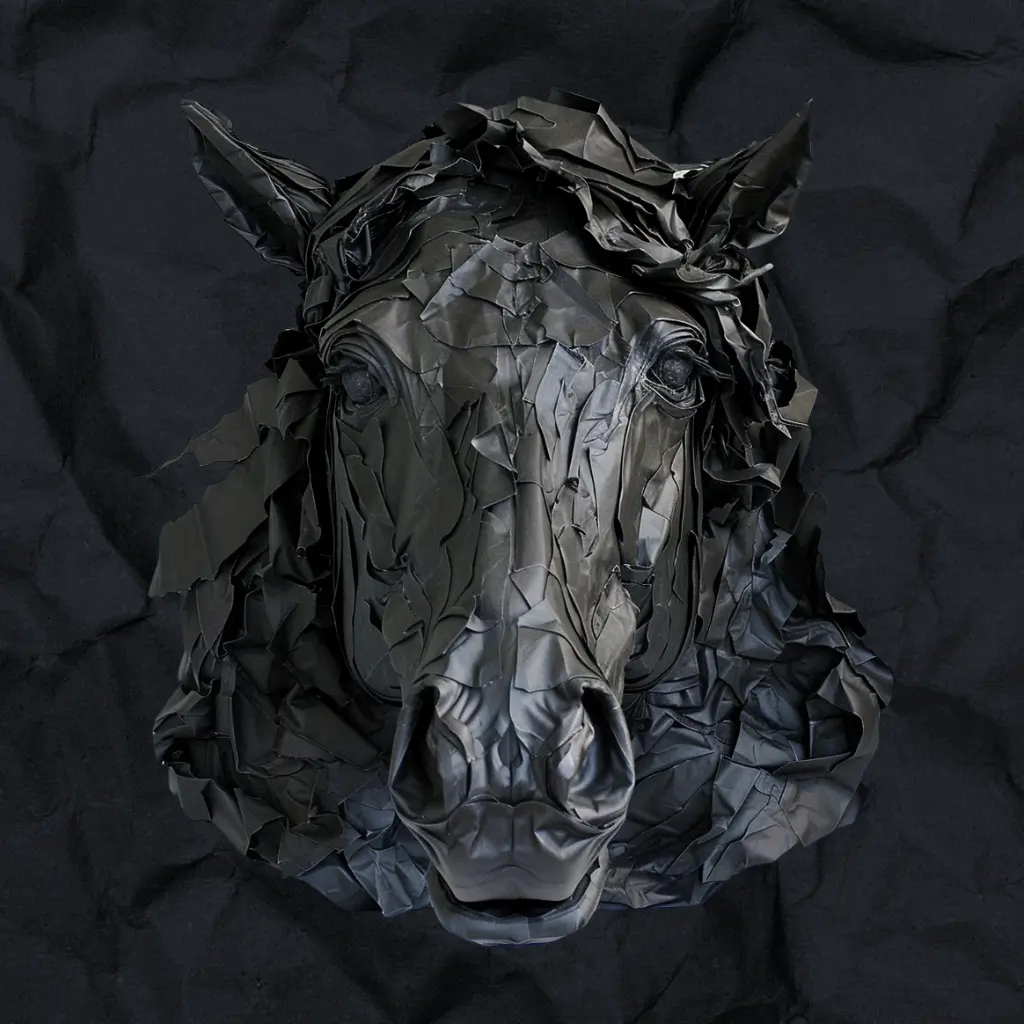
"Excellence is forged in solitude, proven in battle."
At a Glance
The Maverick operates from an internal combustion engine that never requires external fuel. They find profound satisfaction in the process of athletic mastery itself, competing fiercely when opponents appear while maintaining unwavering commitment during the countless hours alone. Their reactive instincts and autonomous drive create an unpredictable competitor who trusts their own preparation above all else.
Think you might be The Maverick?
Take the Free 5-Minute Assessment →Understanding The Maverick
The Maverick possesses something that cannot be taught or manufactured: an internal relationship with sport that requires no external maintenance. Yet while other athletes depend on upcoming competitions, coach approval, or team accountability to maintain their training consistency, this type shows up regardless of circumstances. Their motivation originates from a place deeper than trophies or recognition. The activity itself provides sufficient reward.
This psychological independence shapes every aspect of their athletic experience. They train during holidays when facilities sit empty, as they practice alone when partners cancel. And they maintain intensity through off-seasons that drain motivation from externally-driven competitors while also their fire burns because something fundamental in their nature demands expression through physical challenge and competitive pursuit.
In direct competition, Mavericks transform into tactical predators. They read opponents with unusual clarity, processing information about patterns, tendencies, and vulnerabilities while simultaneously responding to immediate threats. This reactive  Cognitive Style allows them to make split-second decisions that appear intuitive but actually reflect deep preparation meeting present-moment awareness. The players do not follow scripts. The team adapt, create, and solve problems as they emerge.
The autonomous nature of this sport profile creates both their greatest asset and their most significant blind spot. Complete self-trust enables decisive action under pressure, yet that same independence can isolate them from insights that might accelerate their development. Understanding this tension forms the foundation of their psychological growth.
Core Strengths and Growth Edges
Psychological Strengths in Athletic Contexts
Consistency defines the Maverick’s training life. They do not experience the motivation roller coaster that plagues athletes who rely on external circumstances for energy. Bad weather, inconvenient schedules, absent training partners, none of these factors diminish their commitment because their  Drive comes from within – this reliability compounds over time into substantial skill development that more talented but less consistent athletes cannot match.
Their reactive processing creates competitive advantages that structured opponents struggle to counter, while mavericks make decisions at speeds that bypass conscious deliberation, trusting their preparation to guide appropriate responses. This spontaneity makes them dangerous in chaotic situations. So when conditions change rapidly or opponents deviate from expected patterns, they adjust without hesitation while more methodical competitors search for their next predetermined move.
Resilience follows naturally from intrinsic motivation. When setbacks occur, Mavericks recover without requiring external reassurance. They analyze failures with honest assessment, extract useful lessons, and move forward, as their self-worth does not fluctuate based on recent results.
Vulnerabilities and Growth Edges
The same independence that fuels their consistency can calcify into rigidity while also mavericks sometimes reject valuable coaching input simply because it arrives wrapped in structure or external authority. And a training method might accelerate their progress significantly, yet they dismiss it because accepting guidance feels like surrendering autonomy. This pattern costs them development opportunities they never realize they missed.
Isolation presents another growth edge. Their preference for solitary training and independent problem-solving can disconnect them from support systems that would strengthen their athletic journey. Training partners offer more than competition – they provide feedback, accountability, and perspective that solo practice cannot replicate – the Maverick must learn to accept connection without feeling controlled.
Long-term planning often conflicts with their reactive orientation. They excel at responding to present challenges but sometimes struggle to commit to development paths that require patience before payoff. Technical improvements demanding months of systematic work can feel unbearably constraining to someone who prefers spontaneous adaptation.
Training Psychology and Approach
Mavericks train according to internal rhythms that external schedules cannot capture. They arrive at the gym and assess what their body and mind need that day rather than following predetermined programs regardless of circumstance. This intuitive approach to training creates a responsive relationship with their physical development. When they feel sharp, they push intensity. When recovery signals arrive, they adjust without guilt or anxiety about missing scheduled sessions, as their optimal training environment provides quality resources without excessive oversight. So they need access to good equipment, appropriate facilities, and occasional expert guidance – what they do not need is constant supervision, rigid programming, or external accountability structures, and the coach who helps a Maverick most effectively offers wisdom when asked, asks questions that spark insight, and otherwise stays out of the way.
Competitive elements transform routine training into engaging work. Mavericks struggle with repetitive drills that lack clear connection to performance outcomes. Smart coaches working with this type embed competition into skill development, turning technical work into games, creating measurable challenges within practice sessions, providing sparring partners who test their capabilities. Without these elements, training feels like obligation rather than opportunity.
They learn best through direct experience rather than abstract instruction. Theoretical frameworks and detailed explanations have limited impact compared to actually attempting skills, observing results, and adjusting based on feedback their own body provides. This experiential learning style means they need freedom to experiment, make mistakes, and discover what works for their unique characteristics.
Compatible Athletic Environments
Individual Combat and Racquet Sports
Head-to-head competition provides the clearest expression of Maverick psychology. Tennis courts become laboratories where they test tactical hypotheses against resisting opponents. Martial arts studios offer problems that must be solved in real-time against someone actively trying to impose their own solutions. These environments feed their reactive instincts while providing immediate competitive feedback that sustains engagement – the individual accountability inherent in these sports aligns with their autonomous nature. Victory and defeat rest entirely on their shoulders. And no teammates to blame, no external factors to obscure personal responsibility. This clarity appeals to someone who trusts their own preparation and wants results that reflect their individual capability.
Creative Individual Pursuits
Sports that reward individual expression within competitive frameworks attract Mavericks who want style alongside substance. Freestyle skiing, skateboarding, and rock climbing offer problems to solve independently while allowing personal interpretation of how to solve them. These athletes usually develop signature approaches that reflect their unique relationship with their sport, and the combination of technical challenge and creative freedom keeps their intrinsic motivation engaged. They are not simply executing predetermined movements. And they are expressing something personal through physical capability.
Team Sport Considerations
Mavericks can thrive in team environments when positioned correctly. Point guard in basketball, playmaker in soccer, or setter in volleyball – roles that allow creative decision-making while serving collective goals match their psychological needs. They contribute most effectively when trusted to read situations and respond with autonomy rather than executing rigid systems – team cultures that celebrate individual style within shared objectives work better than those demanding conformity. The Maverick needs coaches who value their unpredictability as an asset rather than trying to program it out of their game. When forced into overly structured systems, they often appear selfish or undisciplined, labels that actually reflect environmental mismatch rather than character flaws.
Recreational versus competitive intensity matters less than autonomy and engagement. A Maverick can find deep satisfaction in weekly pickup basketball if the competition is genuine and their approach is respected, and as a result conversely, elite competitive environments become suffocating when they demand compliance over creativity.
Performance Development Path
Growth for Mavericks requires applying their intrinsic motivation while strategically addressing blind spots their independence creates. The most effective development approach treats their autonomy as a resource rather than an obstacle. And they should seek coaches who function as consultants rather than commanders, experts who provide information and perspective when requested, then trust the Maverick to integrate insights in their own way.
Plateaus often signal that their current approach has extracted maximum value from available methods – breaking through requires openness to new inputs that their independent nature might initially resist. The key lies in framing outside guidance as additional tools for their personal toolkit rather than external control over their process. They are not surrendering autonomy by learning a new technique, they are expanding their options.
Competition serves as their primary growth catalyst. Seeking opponents who expose weaknesses provides the honest feedback their development requires, which means that they learn more from losses against superior competitors than from victories over lesser ones. The sting of defeat energizes rather than demoralizes them because it reveals specific areas demanding attention.
Building a trusted inner circle accelerates development without threatening independence. Two or three training partners who understand their nature can provide competition, feedback, and perspective that solitary practice cannot offer. But these relationships work because they are chosen rather than imposed, built on mutual respect rather than hierarchical obligation.
Mental Barriers and Breakthroughs
The Maverick’s greatest mental barrier often appears as a strength: complete self-reliance, and as a result when this trait becomes rigid, they reject inputs that could transform their performance. They interpret any external structure as an attempt to control them, responding with resistance rather than evaluation. Breaking through requires distinguishing between genuine threats to autonomy and opportunities disguised in unfamiliar packaging.
Perfectionism sometimes undermines their reactive strengths. They begin second-guessing instincts that previously served them well, overthinking decisions that should flow naturally, and this when this pattern emerges, returning to competitive situations where spontaneous response is necessary often restores their intuitive processing. They think best when they do not have time to think.
Isolation can gradually diminish performance without obvious cause. The Maverick may train consistently, maintain motivation, and still plateau because they lack external perspective on technical habits or tactical patterns they cannot see themselves. Recognizing this requires humility that does not come naturally to someone who trusts their own assessment above others’.
Breakthroughs frequently occur through competitive experiences that reveal capabilities they did not know they possessed – under pressure against a superior opponent, they discover shots, movements, or tactical responses that surprise even themselves. These moments reinforce the value of seeking challenges that stretch their limits.
Sustaining Peak Performance
Long-term sustainability for Mavericks depends on protecting their intrinsic motivation from external contamination. When rankings, recognition, or others’ expectations begin driving their effort, the pure satisfaction that originally drew them to sport diminishes. And they must regularly reconnect with why they compete, the feeling of technique clicking, the mental engagement of tactical problems, the simple joy of physical expression.
Periodic solitude serves a regenerative function. Time away from competition, coaching input, and social dynamics around sport allows them to recalibrate their internal compass. These intervals need not be long – a week of training alone can restore clarity that months of external engagement obscured.
Maintaining competitive engagement remains essential regardless of age or career stage. The Maverick who stops competing against worthy opponents loses the crucible that forges their best performances. They should seek appropriate challenges at every phase. different levels of competition, new formats, or related activities that provide fresh tactical problems.
Physical sustainability requires the same intuitive listening they apply to training intensity. Mavericks often push through warning signals because their internal drive overrides physical feedback – learning to distinguish productive discomfort from injury signals protects the body that enables their athletic expression.
Mastering Your Athletic Identity
The Maverick walks a path that few truly understand. Their relationship with sport originates from somewhere authentic and self-sustaining, requiring no external fuel to burn brightly across years and decades. This internal fire represents both their defining gift and their developmental challenge, the same independence that ensures consistent effort can also isolate them from growth opportunities their autonomous nature instinctively resists.
Mastery for this sport profile means honoring their intrinsic motivation while strategically expanding their capacity to receive input from others. They need not become dependent on external validation or surrender their autonomous approach. They must simply recognize that even the most self-reliant competitor benefits from trusted perspectives, challenging opponents, and occasional guidance from those who have traveled similar paths.
The Maverick who integrates these elements without losing their essential nature becomes something formidable: an athlete whose consistent effort compounds over time, whose reactive instincts continuously sharpen against worthy competition. Whose authentic passion for excellence sustains them long after externally-motivated competitors have burned out. Their fire belongs to them alone. That is precisely what makes it so enduring.