
Why Generic Sleep Advice Fails Athletes
You have read the standard sleep prescription a hundred times. Eight hours. Cool, dark room. No screens after nine. Stop the caffeine by noon. The advice is technically correct, and for many people it works. For competitive athletes, it routinely does not.
The reason is simple. Generic sleep advice treats your brain as a hardware problem. Your brain is a personality problem. Two athletes can follow the same protocol, sleep in identical rooms, eat the same dinner, and wake up worlds apart. One is fresh. The other has been chewing on a missed free throw for six hours of broken REM. The difference is not willpower or sleep hygiene. It is the psychological signature each athlete brings to the pillow.
Sleep psychology athletes need to understand is not a generic field. It is personalized. The barriers that wreck recovery for one personality type are barely a blip for another. A field-tested approach to sleep starts by asking which barriers actually apply to you, then designing the recovery protocol around your psychology rather than against it.
This article uses the four pillars of the SportDNA framework as the lens.  Drive,
  Competitive Style, Cognitive Approach, and
  Social Style each shape how you fall asleep, how deeply you stay asleep, and what you carry into the next training session. Read it as a diagnostic, not a prescription. Your job is to find the descriptions that sound uncomfortably accurate, then act on those.
The Four Sleep Barriers Most Athletes Face
Before we map personality to recovery, name the enemy. Research on athlete populations finds four recurring barriers that together account for most clinically significant sleep problems in competitive sport. Each one has a psychological flavor.
Barrier 1: Cognitive Overthinking
This is the loop. Tomorrow's session, yesterday's mistake, the conversation with the coach, the rep that should have been easier. The body is exhausted. The mind refuses to clock out. Studies on athlete sleep find pre-sleep cognitive activity is one of the strongest predictors of sleep onset latency, and it punishes athletes who rely heavily on tactical analysis.
Barrier 2: Physiological Overarousal
Your nervous system is still in competition mode. Heart rate variability is suppressed, cortisol has not declined the way it should after dark, and you feel wired despite being tired. Evening sessions, late games, and high-stakes performances all leave residual sympathetic activation that can take three to five hours to dissipate without intervention.
Barrier 3: Identity-Stress
This barrier is psychological in the deepest sense. Sleep is downtime, and downtime is a threat to athletes whose self-worth is welded to performance output. The closer your identity is to your sport, the more sleep can register as a failure to be productive. The result is unconscious sleep avoidance dressed up as discipline.
Barrier 4: Disrupted Circadian Anchoring
Travel, varied training times, light exposure during late events, and irregular meals all hammer the circadian system. Some athletes adapt within a day. Others, particularly those with rigid internal routines, take a week to recalibrate. Personality predicts which camp you fall into.
The Sleep-Architecture Reset
Sleep is not one state. It is a layered architecture: light NREM, deep slow-wave NREM, and REM, cycled in roughly ninety-minute blocks. Different barriers attack different layers. Overthinking shortens REM. Overarousal blocks deep slow-wave sleep, which is where physical recovery actually happens. Identity-stress fragments the whole structure. Knowing which layer your personality tends to disrupt is the first step to fixing it.
Drive Pillar: Why Intrinsic vs Extrinsic Motivation Changes Sleep Need
Your Drive pillar describes the engine that pulls you to train. Intrinsic athletes are pulled by mastery, curiosity, and the felt experience of the sport itself. Extrinsic athletes are pulled by results, recognition, ranking, and the visible markers of progress. Both are legitimate. Both produce different sleep patterns.
Intrinsic Drive and the Quiet Wind-Down
Self-Determination Theory, the foundational research framework behind intrinsic motivation, predicts that intrinsically motivated athletes experience lower baseline performance anxiety. Their nervous system is not constantly bracing for external evaluation. They tend to fall asleep faster after good training days because the day already felt rewarding in itself.
The trap is different. Intrinsic athletes can fall in love with the process so deeply that they over-train, push past warning signals, and treat sleep as an interruption to flow rather than a phase of it. 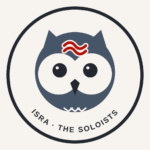 The Flow-Seeker (ISRA) is the sport profile most prone to this. A Flow-Seeker who has tasted a peak session will mentally replay every detail at midnight, not from anxiety but from the same engagement that made the session work. The replay still costs REM. The fix is not to suppress the joy. It is to give the brain a designated debrief window earlier in the evening so it does not need to use the bed for it.
Extrinsic Drive and the Outcome Hangover
Extrinsic athletes carry the day's results into bed. A win produces dopaminergic afterglow that, ironically, also delays sleep onset because the brain wants to keep replaying the reward. A loss is worse. The HPA axis stays elevated for hours, cortisol fails to drop, and what should be the deepest sleep window becomes a shallow, anxious churn.
If your Drive skews extrinsic, your sleep need is genuinely higher than your intrinsic teammates on competition weeks. You are not weaker. You are absorbing more physiological cost from outcome exposure. Plan for it.
Competitive Style Pillar: Self-Referenced vs Other-Referenced Ruminators
Competitive Style describes whom you measure yourself against. Self-Referenced athletes track their own progress, their own personal best, their own internal benchmark. Other-Referenced athletes track how they compare to opponents, teammates, rankings, and rivals. Both can produce excellence. They produce very different ruminations at three in the morning.
Self-Referenced Sleep Patterns
If you are self-referenced, your sleep disturbance tends to be private. You replay your own reps, your own splits, your own decisions. The good news: this rumination is contained. It does not spread to social comparison. The bad news: it can be relentlessly precise, dissecting microscopic technical details that the body needs sleep to actually consolidate.
Consider 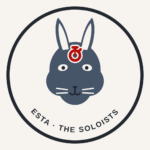 The Record-Breaker (ESTA). This sport profile is intensely self-referenced but also extrinsically driven by measurable results. The combination produces a particularly stubborn sleep profile. A Record-Breaker who fell short of a personal best by a tenth of a second will still be running the splits at one in the morning. The intervention is not to stop the analysis. It is to write it down. Externalizing the data, on paper, before bed, gives the brain permission to release the loop. Research on cognitive offloading consistently shows that journaling unfinished mental tasks reduces sleep onset latency.
Other-Referenced Sleep Patterns
Other-Referenced athletes carry comparison into bed. They are not just replaying their own performance. They are running parallel analyses of  The Rival (EOTA), the teammate who got picked, the opponent's social media post. This produces a wider, less focused rumination. The mental load is heavier because the variables are external and largely uncontrollable.
The fix here is media hygiene. Notifications, rankings, and competitor feeds need a hard cutoff at least ninety minutes before bed. The brain needs that window to drop comparison loads before sleep onset. Without it, the same sleep duration produces dramatically less recovery.
Pro Tip: The Two-Notebook System
Keep two notebooks on your nightstand. The first is for technical observations from the day's training. The second is for emotional residue, frustration, and uncategorized worry. Writing them in separate places prevents the categories from contaminating each other and gives the brain a clear filing system to close the day.
Stop Guessing Why You Sleep Badly
The right sleep protocol depends on which of the 16 sport profiles describes how your mind actually winds down. Find yours in 8 minutes - free.
Find Your Sleep ProfileCognitive Approach Pillar: Tactical Thinkers vs Reactive Shutdowns
Cognitive Approach describes how you process performance information. Tactical athletes plan, model, anticipate, and analyze. Reactive athletes rely on instinct, feel, and in-the-moment adjustment. Each style hits sleep differently because each style does different things to a brain that is supposed to be powering down.
The Tactical Brain at Night
Tactical thinkers do not stop being tactical at bedtime. The same prefrontal machinery that helps them read a play before it develops will also build elaborate mental simulations of tomorrow's training, the upcoming match, the contract negotiation, the equipment change. Studies on cognitive arousal and sleep onset find that this kind of structured mental rehearsal is one of the most effective sleep blockers because it does not feel like worry. It feels like productive preparation.
 The Anchor (ISTC) is a textbook tactical sleeper. Disciplined, internally driven, and meticulous, an Anchor will lie in bed running through tomorrow's checklist with surgical precision. The body is exhausted. The system 2 brain is at full power. The fix is structural: a tactical mind needs a designated planning window, ideally ninety minutes before bed, where the next day is fully written out. Once it is on paper, the brain has permission to stop. Without that window, the planning happens in bed and steals deep sleep.
The Reactive Brain at Night
Reactive athletes look like they should sleep easily. They often do, on routine days. The problem hits after a high-stimulus event. Without a tactical framework to file the experience, the reactive brain stores it as raw sensory and emotional load. That load surfaces as fragmented dreams, sudden wake-ups, and a lingering feeling of unfinished business in the morning.
If you are reactive, your sleep tool is not analysis. It is movement and breath. A short, slow walk after a high-intensity evening session, paired with extended exhalations, gives the body a non-cognitive way to file the experience. The reactive brain processes through the body, not the page.
Social Style Pillar: Collaborative Debriefers vs Autonomous Decompressors
Social Style describes how you metabolize the social side of sport. Collaborative athletes process with others. Autonomous athletes process alone. The wrong recovery environment can sabotage both.
Collaborative Sleepers Need Social Closure
If you are collaborative, an unresolved conversation is a sleep blocker. A coach's ambiguous comment, a teammate's odd silence, an unread message from a training partner, these will run in the background until they are resolved. Sending the team back to silent rooms after a tough session is, for collaborative athletes, an active disruption to sleep.
 The Sparkplug (ESRC) is a clear example. High-energy, externally engaged, and deeply collaborative, a Sparkplug who has not had a chance to verbally process the day will lie in bed mentally rehearsing conversations they wanted to have. The intervention is short and powerful: a fifteen-minute team or partner debrief after sessions, with a hard ending. Once the social loop closes, sleep arrives.
Autonomous Sleepers Need Solo Decompression
Autonomous athletes need the opposite. After a high-social day, the nervous system is overstimulated by external input, and what looks like exhaustion is actually social fatigue masking residual arousal. Without a quiet decompression window, autonomous athletes carry the social charge into bed.
 The Duelist (IOTA) shows the pattern starkly. The Duelist is autonomous but other-referenced, meaning they care intensely about rivalry but want to process it alone. After a competitive day, a Duelist forced into team dinners, group recovery sessions, or post-match social media will sleep poorly even if exhausted. The fix is non-negotiable solo time before any wind-down protocol begins. Forty-five minutes of quiet, ideally without screens, lets the autonomous nervous system reset.
Practical 7-Step Protocol Per Sport Profile Family
The four sport profile families each have a distinct recovery profile. Use the grid below to find your family, then apply the seven steps in the suggested order. The steps are the same labels for everyone. The execution differs.
| Step | The Crew (Collaborative + Self-Referenced) | The Maestros (Collaborative + Other-Referenced) | The Soloists (Autonomous + Self-Referenced) | The Combatants (Autonomous + Other-Referenced) |
|---|---|---|---|---|
| 1. Closure ritual | Short partner debrief, 10 min | Team debrief with explicit "we are done" cue | Solo journal, 10 min | Solo walk, 15 min, no phone |
| 2. Cognitive offload | Voice-note tomorrow's plan | Write down what was outside your control today | Write tomorrow's session in detail | Write the rival comparisons, then close the notebook |
| 3. Media cutoff | 90 min before bed | 120 min before bed | 60 min before bed | 120 min before bed, including rankings |
| 4. Light protocol | Dim lighting from sunset | Blue-light filter strict | Total darkness, eye mask if needed | Dim red light only |
| 5. Body cooldown | Warm shower, light stretching | Slow breathing, 6 breaths/min | Cool room, weighted blanket | Hot-cold contrast, then slow breath |
| 6. Sleep window | Consistent within 30 min | Consistent within 15 min | Flexible, 60 min window | Consistent within 30 min |
| 7. Morning anchor | Sunlight + social check-in | Sunlight + clear daily targets | Sunlight + solo training prep | Sunlight + competitive cue review |
Notice how the steps are identical in label but different in execution. That is the entire point. The same protocol applied identically across personality types produces uneven recovery. Personalize the execution and the same seven steps become a precision tool.
What to Do When Sleep Stays Broken
Personality-aware sleep protocols solve a lot. They do not solve everything. If you have applied the right protocol consistently for two to three weeks and you are still waking exhausted, fragmenting through the night, or unable to fall asleep within thirty minutes, the issue is no longer behavioral. It is clinical, or it is medical, or both.
Persistent insomnia in athletes can flag overtraining syndrome, undiagnosed sleep apnea, hormonal disruption, anxiety disorder, or depression. None of these are character flaws and none of them respond to better sleep hygiene alone. A sport-experienced physician, a sleep specialist, or a licensed sport psychologist can run the right diagnostics. SportPersonalities is a sport psychology platform, not a clinical service. Our role is to help you understand the personality side of recovery. When the problem outgrows that scope, the right move is to bring in a clinician who can see you in person.
Asking for clinical help is not weakness. It is the same pattern recognition that makes you good at your sport, applied to your recovery system.
Closing: Sleep as a Personality-Driven Performance Skill
Sleep psychology athletes invest in is not separate from training. It is training. The hours between sessions are when adaptation actually happens, and the quality of that adaptation depends on the personality you bring to bed.
The four pillars give you a map. Drive tells you why your nervous system is wound a particular way. Competitive Style tells you what your three-in-the-morning rumination will look like. Cognitive Approach tells you whether your prefrontal cortex needs a written off-ramp or a body-based one. Social Style tells you whether you need fifteen minutes of conversation or forty-five minutes of silence before you can let the day go.
None of this is generic. None of it should be. If you have not yet mapped your own profile across the four pillars, that is the next step. Take the SportDNA Assessment, find out which sport profile actually describes you, and then apply the protocol that matches your psychology rather than someone else's. The framework is built on this premise: you cannot recover well if you do not know what kind of athlete you are. Start with the Blueprint of the Athlete and let the rest of your recovery follow from there.
Your sleep is not generic. Your recovery should not be either.
Frequently Asked Questions
How does personality type affect athlete sleep recovery?
Each sport profile hits one of four sleep barriers, overthinking, overarousal, identity-stress, or circadian disruption. Tactical types fight cognitive intrusion; reactive types crash into post-competition arousal. The sleep protocol that works for an Anchor would shred a Sparkplug, and vice versa.
Why do tactical athletes have trouble sleeping after games?
Tactical thinkers replay decisions and outcomes long after the whistle. The cognitive system that helps them in competition cannot shut off without an explicit closure ritual, a written debrief, a fixed post-game cool-down window, or a thought-stopping protocol.
What is the best sleep routine for athletes who overthink?
Front-load cognitive work earlier in the day so the brain runs out of fuel by bedtime. Pair it with a non-negotiable wind-down window of 60 to 90 minutes where strategic thinking is off-limits. Tactical sport profiles like The Anchor and The Duelist need this more than physical recovery rituals.
Do extrinsically driven athletes need more sleep than intrinsically driven ones?
They often sleep less reliably. Extrinsic athletes who anchor identity to outcomes are more vulnerable to outcome-rumination, ranking-anxiety, and pre-event arousal. They do not biologically need more sleep, they just have more cognitive load fighting it.
When should an athlete see a sleep specialist?
When personality-aligned protocols fail for three or more weeks despite consistent execution. Persistent insomnia, frequent middle-of-night awakenings with elevated heart rate, or sleep that does not restore even after rest days are clinical signals, not psychology problems, and licensed support is the right next step.
This content is for educational purposes, drawing on sport psychology research and professional experience. I hold an M.A. in Social Psychology, an ISSA Elite Trainer and Nutrition certification, and completed professional training in Sport Psychology for Athlete Development through the Barcelona Innovation Hub. I am not a licensed clinical psychologist or medical doctor. Individual results may vary. For clinical or medical concerns, please consult a licensed healthcare professional.
Continue Reading